The Growing Need for Mental Health Crisis Response Teams
With mental health-related 911 calls making up almost 10% of EMS call volume in some areas1, it’s clear that EMS agencies need to be equipped with more than just traditional emergency medical skills. These calls often involve individuals experiencing severe anxiety, depression, or other psychiatric emergencies, requiring a specialized approach.
To address this, many EMS agencies are forming dedicated mental health crisis response teams that include EMTs and paramedics trained in mental health care. These teams often collaborate with social workers and mental health professionals to provide a holistic response to crises. Ninth Brain’s customizable learning management system (LMS) allows EMS organizations to implement ongoing mental health training programs, ensuring that their teams stay current on best practices and new protocols for psychiatric emergencies.
Success Stories and Best Practices: What’s Working?
Programs like Crisis Assistance Helping Out On The Streets (CAHOOTS) in Eugene, Oregon, and Denver’s Support Team Assisted Response (STAR) are paving the way for specialized EMS mental health response. These initiatives show how trained teams can significantly reduce emergency department visits and police involvement while providing better outcomes for individuals in crisis1, 2.
How Specialized Teams Benefit EMS Providers and Patients
The rise of mental health crisis response teams is transforming EMS by ensuring that individuals receive the right care at the right time. These specialized teams offer several key benefits:
- De-escalation of Crises: Trained EMS professionals can calm and stabilize situations, reducing the risk of escalation and ensuring safer outcomes for both patients and responders.
- Reduction in ED Visits: By managing crises in the field and connecting individuals with appropriate services, these teams help reduce unnecessary emergency department admissions, easing the burden on hospitals1.
- Improved Patient Care: Tailored interventions allow for more compassionate and effective care, improving long-term outcomes for individuals experiencing a psychiatric emergency.
Looking Ahead: The Future of EMS in Mental Health Care
The future of EMS is increasingly intertwined with mental health care. As more EMS agencies adopt specialized mental health crisis response teams, they will need tools to manage the complexity of these new roles. Ninth Brain can help EMS providers meet these challenges head-on with tools for credential tracking, compliance management, and comprehensive training solutions.
By partnering with Ninth Brain, EMS agencies can ensure that their teams are not only well-prepared for traditional emergencies but also equipped to handle the growing demand for mental health crisis response. With our platform, EMS agencies can focus on what matters most: delivering the best possible care to those in need.
FAQs
What is Ninth Brain, and how can it help EMS agencies?
Ninth Brain provides a cloud-based platform designed to manage compliance, credential tracking, training, and operational needs for EMS providers. With features like customizable learning management systems, incident reporting, and credential management, Ninth Brain helps EMS agencies ensure their staff is properly trained, credentialed, and ready to respond to both traditional medical emergencies and specialized situations like mental health crises. Our tools streamline operations, improve efficiency, and support regulatory compliance.
How can Ninth Brain support the implementation of mental health crisis response teams?
Ninth Brain’s platform offers customizable training modules that EMS agencies can use to train their staff on mental health crisis intervention techniques. The system also tracks certifications and credentials to ensure that all team members are properly trained and compliant. Additionally, Ninth Brain’s incident reporting and data analysis tools help agencies monitor the effectiveness of their mental health response teams and make informed decisions about improvements.
What kind of training can be managed through Ninth Brain’s platform?
Ninth Brain’s learning management system (LMS) allows EMS agencies to create, distribute, and track a wide variety of training programs. These can include mandatory certifications, ongoing education, mental health crisis intervention, and other specialized training. Our platform supports both in-person and online training formats, making it easy for agencies to provide continuous education and keep their teams ready for any situation.
How can Ninth Brain’s incident reporting tools help improve patient outcomes?
Ninth Brain’s incident reporting tools allow EMS agencies to track and analyze patient care incidents, including those involving mental health crises. By collecting data on how situations are handled, agencies can identify areas for improvement and ensure that their response protocols are as effective as possible. This data-driven approach helps EMS agencies continuously refine their operations to improve patient outcomes.
How does Ninth Brain help EMS agencies manage their workforce during crises?
Ninth Brain’s scheduling and workforce management tools allow EMS agencies to efficiently manage their staff, even during high-demand situations like mental health crises. With real-time data and easy-to-use scheduling features, agencies can ensure that the right personnel are available when needed. Additionally, Ninth Brain’s platform provides insights into staffing needs and helps prevent burnout by balancing workloads across the team.
How can I get started with Ninth Brain for my EMS agency?
Getting started with Ninth Brain is simple. You can request a demo through our website to see how our platform works and explore the various features that can benefit your agency. Once you decide to move forward, our team will work with you to customize the system to meet your specific needs and ensure a smooth implementation process.
References
1 – https://www.policeforum.org/assets/MBHResponse.pdf
2 – https://www.ems1.com/what-paramedics-want/inside-ems-challenges-and-opportunities-for-ems-in-2024
In recent years, the realm of Emergency Medical Services (EMS) has embraced the burgeoning concept of Mobile Integrated Healthcare-Community Paramedicine (MIH-CP). This model aims to enhance community health through a range of services beyond traditional emergency care, encompassing preventive, post-acute care, and chronic disease management. As EMS providers evolve to meet community needs through MIH-CP, having the right technological tools is indispensable for success.
Enter NinthBrain—a comprehensive suite of solutions tailor-made for the EMS sector. Our robust platform encompasses a plethora of features including Learning Management, Workforce Scheduling, Quality Improvement Tracking, and more, all designed to streamline operations, ensure compliance, and foster a culture of continuous learning and improvement. When wielded aptly, these tools can significantly bolster MIH-CP initiatives, paving the path towards a more proactive, community-centric healthcare model.
Let’s delve deeper to understand how NinthBrain’s suite of solutions dovetail with MIH-CP goals:
Learning Management System (LMS):
Education Tailored to Community Needs: Our LMS enables EMS organizations to create, manage, and distribute educational content that addresses the specific health needs of the communities they serve. This is a cornerstone in ensuring that paramedics are well-equipped with the requisite knowledge and skills to provide community-focused care.
Quality Improvement Tracker:
Data-Driven Decision Making: By tracking performance data and incident investigations, EMS providers can glean invaluable insights into areas of improvement, thereby aligning their services more closely with MIH-CP objectives.
Credential Management:
Ensuring Competency and Compliance: Our Credential Management feature ensures that all personnel are up to date with their certifications and training, a critical aspect in delivering competent and compliant community healthcare services.
Workforce Scheduling:
Optimized Resource Allocation: Efficient scheduling is pivotal in ensuring that the right resources are available at the right time to meet community healthcare needs. Our Workforce Scheduling feature allows for the creation and auto-generation of schedules, ensuring seamless operations in tune with MIH-CP goals.
Through these and many other features, NinthBrain is committed to supporting EMS organizations as they navigate the terrain of MIH-CP, aiding in the transition towards a more integrated and community-focused model of care. As the healthcare sector continues to evolve, we are here to ensure that EMS providers have the tools they need to lead the charge in delivering superior community healthcare.
At NinthBrain, we are excited about the boundless possibilities that lie ahead in bridging modern healthcare initiatives like MIH-CP with innovative technology solutions. Together, we are not just responding to emergencies; we are nurturing healthier communities, one innovative solution at a time.
When urgent medical incidents occur, first responders are often quick to the scene to provide treatment, transport, and other emergency medical care services. Providing emergency medical services (EMS) represents one of the most essential roles a person can have in society.
Accidents can happen at any time, and EMS workers need to be prepared to respond in the best way possible. This preparation means a strict training and approval process for those interested in being first responders.
What Is the EMS Training Process?
EMS training involves completing coursework and an NREMT, EMT, or Paramedic exam. Training generally involves learning about important emergency care procedures such as life support, administering medicines, and basic surgery.
Active EMS professionals must demonstrate a basic skill level and competencies for the desired role. These may include:
- Problem-solving
- Communication
- Leadership
- Situational awareness
Safe transport and care of potential patients require the ability to make good decisions in stressful environments and have compassion for those in your care. Certification is required before even being considered for a real-world position in EMS.
How to Simplify the EMS Training Process
Every EMS training process involves supporting the professional development of potential caregivers. There are strict rules governing how individuals are expected to act in any situation — there are many moving parts within EMS, and seamless integration is essential for ensuring quality care for patients.
The primary role of EMS is to reinforce public health and safety. Those going through the EMS training process may face some difficulties dealing with the challenges head-on. Here are 5 tips for simplifying the EMS training process:
1. Reach Out to Peers
It’s harder to study in isolation. The most successful learners find groups of like-minded individuals to challenge one another and make the whole process more enjoyable. Working in groups allows you to give and receive feedback, challenge one another with questions, and offer support when things get difficult.
If you want to get through the EMS training process with ease, reach out to your peers to form partnerships for ongoing study. By discussing content with other students, you’ll be able to challenge your assumptions and develop stronger medical skills.
2. Find the Right Program
Many different EMS training programs will get you to where you want to go. Finding the program that works for you will ensure you’re headed in the right direction. Doing coursework that you like will allow you to enjoy the education process and eventually, your new career.
Make sure your curriculum of choice is up to the latest standards and gives you instruction in your chosen role. Some programs are more selective than others, so make sure you’re prepared for constant evaluations and personal criticism.
3. Be Ambitious
If you’re determined enough, there’s nothing that can stand in your way. The EMS training process will present many obstacles that might tempt you to give up on your career goals. This reality makes it important to always remember your reasons for taking part in the training process.
Don’t settle for learning the minimum. If you’re serious about being in EMS, you should constantly challenge yourself. This drive means going beyond simply keeping up with your coursework. Try to cultivate a deeper interest in the subject matter so you can get to know the EMS training process more intimately.
4. Stay Positive
It’s easy to become disillusioned, especially when training to become a medical worker. There will be setbacks and people who don’t think that you can make it to the end. Despite all of these factors working against you, staying positive and delivering your best performance is important.
With a positive mindset, you’ll be less likely to get burned out and become overwhelmed by negativity. Don’t be distracted by the setbacks. Keep your eye on your long-term goals. This focus will ensure you’ll be able to push through any challenges that come your way.
5. Become Safety-Oriented
Safety is a core component of EMS training programs. Shifting your perspective to put safety first will give you a better relationship with medical management procedures. By taking a safety-oriented approach to your everyday life, you’ll have a clear picture of the subject matter, allowing you to absorb it more easily.
Make safety a foundational part of who you are. Being conscious of safety, potential hazards, and the best prevention methods will ensure you have the right mindset when going through the EMS training process.
Training Better First Responders
EMS management is an essential part of medical care. In case of emergencies, the right people need to have access to the information they need to provide care. Proper EMS software provides a paperless system for dealing with important records and medical histories.
More people every day are discovering how EMS software can improve care with access to innovative platforms that allow you to track personnel, patients, and equipment with ease.
Records management is critical in the healthcare field. With EMS management software, first responders have access to the best training and operational data so they can help more people more effectively.
The field of emergency medical services is one of the most closely regulated industries in the world. In order to remain compliant with state and federal mandates while also ensuring that EMS personnel can provide adequate levels of care, EMS agencies must develop robust training programs.
While the exact topics covered in a program will vary depending on the scope of care provided and other factors, every EMS agency should address the following topics when creating training initiatives.
1. Emergency Vehicle Operation
Before EMS teams can save a life, they must be able to arrive safely on the scene. In light of this fact, EMS organizations should incorporate comprehensive emergency vehicle operation training into their educational programs.
Operating an ambulance or another emergency response vehicle in high-stress scenarios requires vigilance, skill, and a thorough understanding of the vehicle itself.
When administering emergency vehicle operations training, EMS agencies should cover topics such as:
- Defensive driving
- Dangers of fatigued or distracted driving
- Hazards of navigating active intersections
- Safe backing procedures
- Factors that may contribute to accidents (weather, low light)
By including emergency vehicle operations in their training programs, EMS agencies can protect their staff members, reduce civil liability, and enhance their ability to serve patients.
2. Caring for Patients with an Altered Mental Status
Mental health crises have become a mainstream topic in recent years. In response, law enforcement agencies across the nation are actively training their officers in de-escalation techniques and other strategies that they can deploy when they encounter individuals in crisis.
While officers will often be the first individuals that respond to volatile scenes, EMS staff will be tasked with stabilizing and transporting patients. Therefore, EMS agencies must provide their personnel with proper training on how to care for patients with an altered mental status.
When they are creating this training block, EMS agencies should address topics such as:
- Identifying psychiatric emergencies
- Intentional de-escalation techniques
- Effects of synthetic drugs
- How to properly protect themselves from violent patients
In addition, it is important to note that interacting with patients suffering from a self-induced altered mental status regularly can be a major source of EMS burnout.
EMS agencies can combat burnout by providing their staff members with access to mental health resources, education on healthy coping strategies, and healthy workplace culture.
3. Trauma Response
Annual training courses should also include refreshers on trauma response. EMS agencies should use these training opportunities to review common topics such as:
- Mechanisms of injury
- Treating shock
- Pain management principles
- Restricting spinal motion
- Bleeding control
When providing trauma response training, EMS agencies can also introduce staff members to new techniques or teach them how to use innovative equipment.
Trauma response is an essential skill when responding to incidents involving gunshot wounds, stab wounds, machine-induced injuries, and motor vehicle accidents.
By exhibiting proficiency in trauma response techniques, EMS personnel may be able to stabilize patients long enough to transport them to the nearest emergency care facility.
4. Self-Care and Scene Safety
Also known as “provider safety,” self-care or scene safety is an often overlooked training topic. However, it is perhaps one of the most important subjects to include in EMS training programs. This broad topic should address everything from how to respond to workplace injuries to the importance of situational awareness.
EMS agencies can incorporate additional topics into this training block depending on the needs of their organization. For instance, if an agency has issued its staff body armor, then the scene safety block of instruction should review how to properly deploy that piece of equipment.
The self-care block of training is also a great time to discuss workplace culture, stress management, and staff mental health. EMS agencies should reiterate that personnel cannot properly care for patients if they do not first care for themselves.
5. Airway Management
Airway management is one of the most basic principles of patient care. However, deploying effective airway management techniques in a time-efficient manner requires regular practice.
During airway management training, EMS staff should review relevant topics like:
- Assessing lung sounds
- Protecting the airway
- Intubation
- CPAPs
- Selecting appropriate airway devices
- Bag valve mask techniques
Airway management has a significant impact on both short-term and long-term patient outcomes. As such, airway management should be a staple of any EMS training program.
Seamless Training Solutions from NinthBrain
While every EMS professional understands the importance of training, administering essential educational resources to all staff members can be incredibly costly — at least it used to be.
NinthBrain’s leading-edge Learning Management System allows your organization to reduce travel and training costs without diminishing the quality of your training program.
You can upload custom training programs in virtually any major format, create online exams, and track course completion status across your entire organization. You can also access over 300 accredited online courses from the NBS Educational Library.
Book your demo today to learn more.
Billing is Important!
As an EMS provider in the field, if you think you can ignore what goes on in the office- especially the billing part- then you don’t see the bigger picture.
Modern EMS is expensive. Most trucks are now a 6-figure purchase. Equipment must constantly be upgraded and/or replaced. Everyday supplies and medications are a must. Plus, if you’re a career provider, then your paycheck, benefits, incentives…all require dollars and cents. If the bucks aren’t coming in the door, there are no bucks to cover these expenses.
It’s the economy, stupid…to mock a political phrase.
Now you know the why so here are the how… 4 important field practices that will help keep those dollars and cents flowing.
Document, Document, Document!
How many times in this space have we written about documentation? Too many?
Well, probably not enough is the correct answer. But, then again, you may well be just sick and tired of reading/hearing it over and over. Nevertheless, good documentation is quintessentially important and the center of all things billing.
Remember, if you didn’t write it (in your PCR) you didn’t do it! There must be a written record of the transport- emergency or non-emergency- that you just completed supporting the billing and the collecting of reimbursement dollars for that trip.
Money makes the world go-’round and literally the wheels on your ambulance too!
So…document, document, document…and do so using great detail.
Sign on the dotted line
Signatures are very important!
A signature obtained from the patient or a patient representative if the patient is unable to sign or is not legally able to sign (minor child, mentally incapacitated, etc.) is very important. Since Medicare and Medicaid patients account for nearly half or more of the patients we transport, if you don’t obtain signatures then consider that half of the incoming reimbursement will be delayed flowing into your EMS agency’s bank account.
Plus, many organizations combine the necessary HIPAA NPP acknowledgment signature together with the billing signature along with some other disclaimers. Always remember that obtaining a signature from the patient is verification that the service was provided.
Then there’s your signature and the signature of your partner.
These signatures are equally important. Now that signature may be digital in nature, depending on the ePCR program that you use (you may even obtain patient signatures via tablet PCR), but regardless of the method used to obtain the signature, it is important that you not forget this step. Your PCR is not complete without the signatures of the crew affixed to the final end-product.
Timely PCR Completion
Speaking of that PCR, how long does it take you to compose and complete the PCR following the run?
Allow us to ask this question… do you forget things? Sure you do!
The longer the time-lapse between the completion of your incident and the completion of your PCR, the greater the risk of your forgetting a key detail that will aid in both supporting billing and support the treatment and transport you provided in the field.
Most states have a mandated time limit for field providers to complete a PCR. Many EMS agencies are tightening their own mandated completion times both because time is money and the best documentation is proven to be the most timely completed.
Except for those extremely busy days, given the nice electronic toys that most of us have available to complete a PCR on the go, it would seem reasonable that most if not all PCRs can be completed soon after the transport is complete and before you leave the station at the end of your shift.
Don’t make the billing office wait!
Paperwork
Most of us in the field have some responsibility to collect some adjunct paperwork that moves along with our patients.
It may be a hospital/ER face sheet containing crucial demographic and insurance information. This one-piece alone is a huge part of what your billing office needs to get a claim out the door to collect reimbursement dollars.
If you operate in the non-emergency side of the business, then possibly you will be required to pick up a Physicians Certification Statement (PCS or medical necessity form). Be sure to learn how to recognize if the PCS has been properly executed and don’t be afraid to double-check with facility staff and/or your office if something doesn’t add up, even prior to beginning the transport (as directed by your administration and SOPs/guidelines.)
And then, depending on no how you complete your PCR “packet” either attach and file or scan and attach those documents digitally so they accompany your documentation through to the billing office.
Please don’t make the office staff go on a scavenger hunt for necessary paperwork!
This blog post was originally posted on https://www.quickmedclaims.com/2019/05/4-important-things-ems-field-practices-to-aid-billing/
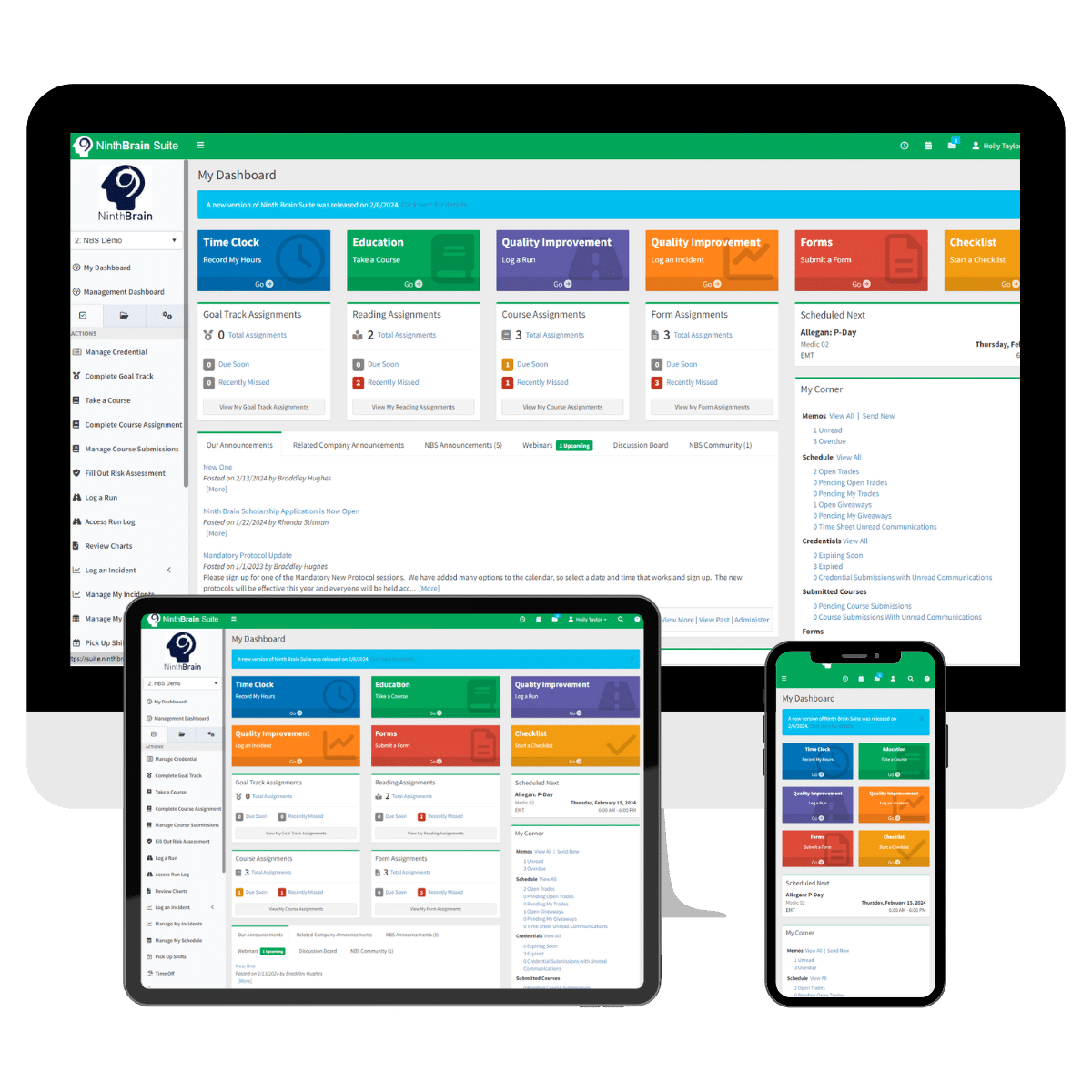
Wondering if Ninth Brain is the right fit? Let’s Connect and Explore!